
Worried about your elderly parents falling at home? Discover the most common trip hazards and learn how to senior-proof your house with our ultimate fall prevention guide.
Did you know that according to the CDC, one in four older adults falls every year in the United States? For seniors, a simple slip and fall isn’t just a minor accident—it can lead to severe injuries, loss of independence, and a drastic change in their quality of life.
If your loved ones are planning on aging in place, making their home environment safe is your top priority. But where do you start? Often, the most dangerous trip hazards are things we walk past every single day.
Let’s walk through the house and identify the most common slipping hazards and how you can senior-proof every room to give yourself—and your parents—total peace of mind.
1. The Bathroom: The #1 Danger Zone
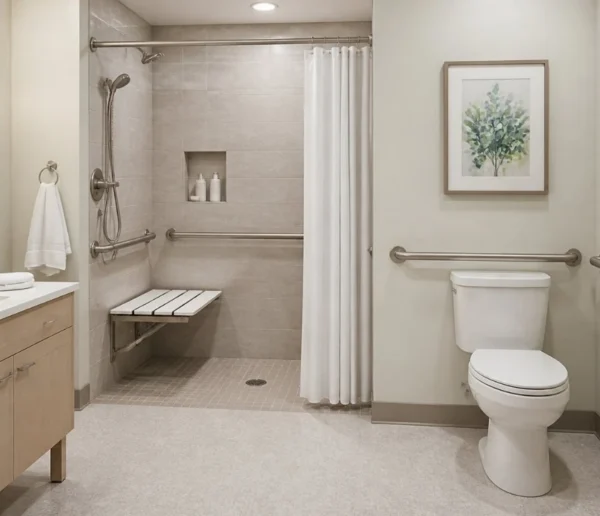
When it comes to home accidents, the bathroom is notorious. The combination of water, soap, and slick tile floors creates a perfect storm for slipping.
- The Hazard: Stepping over the high wall of a traditional bathtub is incredibly risky for seniors with poor balance or weak knees. Wet tiles outside the shower are also a major slip hazard.
- The Fix:
- Install heavy-duty grab bars (not towel racks!) inside and right outside the shower/tub and next to the toilet.
- Place non-slip rubber mats or apply anti-slip decals on the floor of the shower and bathtub.
- Swap out standard bath mats for ones with a rubberized, non-skid backing.
- Consider a sturdy shower chair and a handheld showerhead so they can wash while seated.
2. The Living Room & Hallways: The Silent Trip Hazards
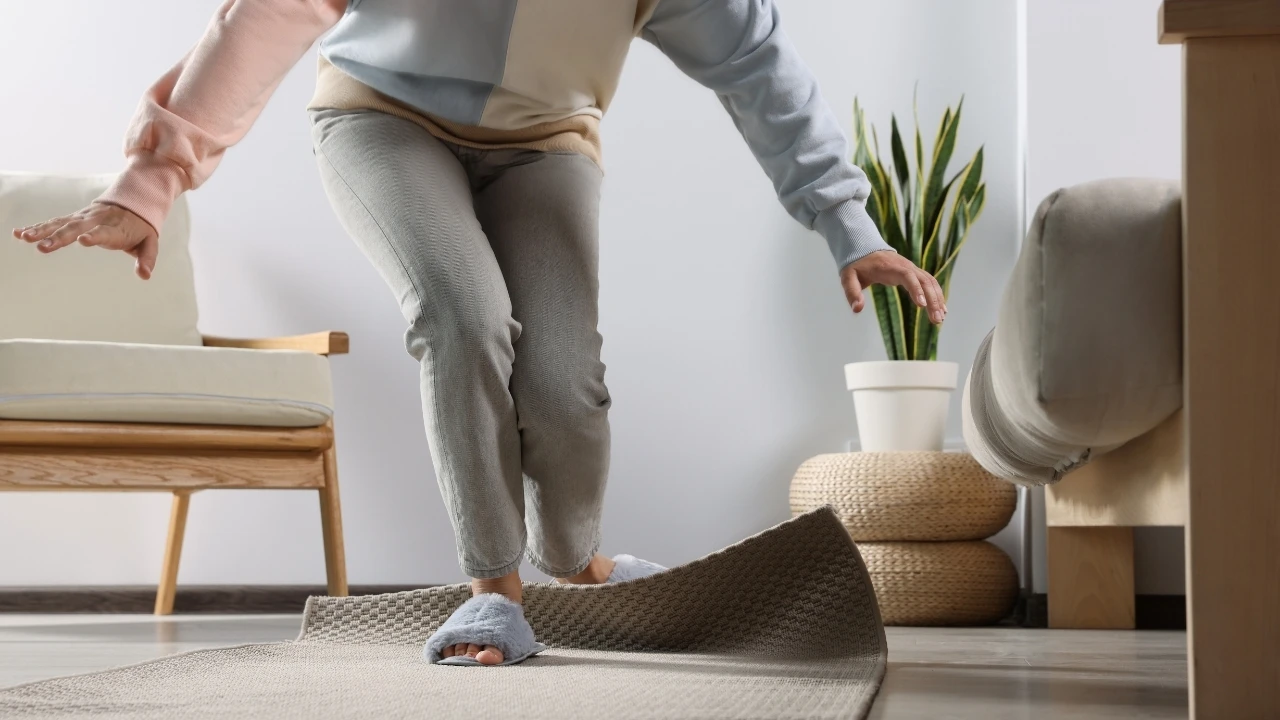
You might think the living room is safe, but it’s often filled with hidden obstacles that can easily catch a shuffling foot or a walker.
- The Hazard: Throw rugs are public enemy number one for seniors. The edges easily curl up, making them a massive tripping hazard. Clutter, low coffee tables, and trailing extension cords also pose significant risks.
- The Fix:
- Ditch the throw rugs. If you must keep them, use double-sided carpet tape to secure the edges firmly to the floor.
- Clear the walkways. Ensure there is a wide, clear path from the sofa to the door and the bathroom.
- Tuck away all electrical cords and wires behind furniture or use cord organizers. Don’t let them run across the floor.
3. The Stairs: The High-Risk Area
A fall on the stairs is often the most devastating. Poor visibility and lack of support are the main culprits here.
- The Hazard: Dim lighting makes it hard for aging eyes to judge the depth of the steps. Loose carpet treads or slippery wooden stairs can easily cause a foot to slide off the edge.
- The Fix:
- Ensure there are sturdy handrails on both sides of the staircase.
- Upgrade the lighting. Install switches at both the top and bottom of the stairs, or use motion-sensor lights.
- If the stairs are uncarpeted wood, add non-slip adhesive treads. For visually impaired seniors, adding a strip of brightly colored tape to the edge of each step can help them see the drop-off clearly.
4. The Bedroom: Midnight Navigation
Many falls happen in the middle of the night when seniors wake up groggy and rush to use the restroom in the dark.
- The Hazard: Getting out of a bed that is too high or too low, combined with a dark room and a rush to the bathroom, is a recipe for disaster.
- The Fix:
- Install motion-sensor nightlights along the path from the bed to the bathroom.
- Keep a lamp, a flashlight, and their glasses on the nightstand within easy arm’s reach.
- Make sure the bed is at a comfortable height—when sitting on the edge, their feet should rest flat on the floor with knees at a 90-degree angle.
A Proactive Approach to Senior Care
Preventing falls isn’t about stripping away the comfort of home; it’s about making smart, simple modifications that empower seniors to live safely and independently. Take a weekend to do a walkthrough of your parents’ home using this guide. A few minor tweaks today can prevent a major hospital visit tomorrow.
Looking for more tips on senior health and caregiver support? Explore our resources at Premier Agers to help your loved ones thrive in their golden years.